Online shopping has changed how people buy, but the challenge remains the same: keeping customers engaged and loyal. That’s where gamification for e-Commerce steps in. A well-built eCommerce gamification platform can turn a simple buying process into something fun, rewarding, and hard to forget.Gamification originated back in the early 2000s, during which time, organizations began to apply game mechanic principles to non-game contexts for the sake of benefit.
In e-commerce, it is at par with the advent of mobile purchases and social entering in the 2010s due to these conditions. Platforms experimented with gamification and loyalty programs, leaderboards, and new interactive features to gain traction in an increasingly crowded marketplace.
As technology has evolved, so has gamification. It has now entered into the realms of personalized experiences, asynchronous augmented reality (AR) games, and many sophisticated reward systems. Today, it remains one of the greatest strategic portfolio prescriptions for many of the best-known ecommerce brands.
What is eCommerce Gamification?
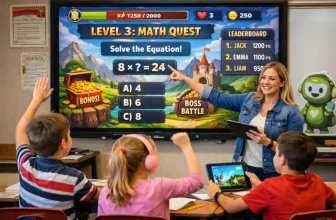
Gamification means adding game-like features to an online store. Instead of just clicking “buy now,” shoppers can earn points, unlock badges, and complete challenges.
It’s not about turning a store into a video game. It’s about making small parts of the shopping experience feel exciting. When buyers get rewards for simple actions like writing a review, sharing a product, or finishing a purchase, they start feeling part of something bigger than just a transaction.
eCommerce solutions that use gamification do one key thing well: they make customers want to come back.
Famous Brands That Use Gamification
Big names across industries already use gamification in the retail industry to boost engagement.
- Starbucks uses a point-based loyalty app that encourages repeat orders.
- Nike keeps users active with challenges and badges in its Nike Run Club.
- Captain Up powers gamified engagement for brands through points, badges, and challenges that help drive loyalty and repeat actions.
- Sephora gives Beauty Insider members points for purchases, redeemable for exclusive rewards.
- Amazon Prime subtly gamifies loyalty by offering “levels” of benefits with continued use.
Each brand taps into human psychology. People love achievement, recognition, and progress. A good e-Commerce gamification platform turns these simple motivations into growth.
Key Gamification Features For eCommerce Platform
When choosing the right eCommerce platform, knowing what to look for makes all the difference. Each feature plays a part in turning casual visitors into loyal, repeat customers.
Reward Systems
This is the heart of every gamified system. Rewards make people feel their actions matter.
Customers can earn:
- Points for purchases or actions
- Badges for completing certain goals
- Coupons or special offers as milestones
A flexible reward system lets businesses design their own incentives. When done right, it keeps users curious about what comes next.
Referral Programs
People trust their friends more than ads. That’s why referral programs are one of the smartest gamification tools.
By rewarding customers who invite others, brands turn buyers into marketers.
For instance:
- Give bonus points when a referral signs up or buys something
- Offer discounts to both referrer and referee
- Create referral “levels” that unlock more rewards
This keeps the engagement loop active while helping the store reach new customers at a lower cost.
Interactive Elements
Gamification doesn’t have to stay in the background. Interactive tools like spin wheels, mystery boxes, and instant win pop-ups make shopping more playful.
When done tastefully, these elements create micro-moments of joy. Even small chances to win something make customers feel good about their visit.
It’s also a great way to keep visitors from leaving a page too soon.
Personalized Quizzes and Challenges
Personalization gives gamification its magic touch. Quizzes help customers find products they like while making the process enjoyable.
For example:
- A skincare store might ask questions to suggest ideal products
- A clothing brand could offer a “style quiz” that rewards participation
Adding small challenges, like completing product collections or reaching milestones, keeps users returning to continue their progress.
Loyalty Programs
Loyalty programs are the backbone of long-term engagement. Gamified loyalty features go beyond simple discounts. They let customers climb ranks or earn tiers based on behavior.
Examples:
- Bronze, Silver, and Gold levels with growing rewards
Early access to new products for high-level members - Birthday or anniversary bonuses
Gamified loyalty programs give shoppers a sense of belonging. The more they interact, the higher their status.
Progress Visualization
People like to see their growth. Progress bars, achievement trackers, and scoreboards do exactly that.
An eCommerce gamification platform that shows progress helps motivate users to finish what they started. Whether it’s earning a reward or completing a task, seeing progress turn into results keeps engagement strong.
Small touches like a percentage bar toward the next reward make a huge difference.
Competition
Healthy competition can drive engagement even more. Leaderboards and public rankings tap into the desire to be recognized.
Brands can use competition in simple ways:
- Show top buyers of the month
- Highlight users with the most referrals
- Run seasonal challenges or limited-time missions
The trick is to keep it friendly. When people feel encouraged instead of pressured, participation naturally increases.
Benefits of Using Gamification in eCommerce
Adding these features isn’t just for fun. Gamification changes key performance metrics that every store cares about.
Increased Time on Site
Gamification features including interactive games or quizzes or challenges induce customers toward spending much time inside your platform. With users engaging in spin-to-win or leaderboard type of features, the interaction within the site multiplies other pages or products or even user brands. The more time they remain on your site, the more opportunities there are for purchasing, signing up for newsletters, or joining referral programs. Along with all this, it gives a signal to search engines like Google that this is an engaging site, thus increasing ranking opportunities in SEO.
Improved Customer Loyalty
Reward systems and gamification loyalty programs will entice long-lasting relationships, by providing reasons for customers to come back. When shoppers earn points, badges, or other exclusive perks through their actions, it creates in their experience a realization of achievement, contributing towards brand loyalty. Prolific examples of these will be tiered loyalty gamification programs such as Starbucks or Sephora, which add even more motivation to stay with their brands by offering such high rewards to their most loyal customers. That will also mean a longer eCommerce retention platform and increased customer lifetime value (CLV).
Higher Conversion Rates
Commercialization techniques will enable consumers to complete the final act: completing a purchase. Users may even be encouraged by adding a ‘progress tracker’ to track how close they are to being eligible for free shipping, nudging them to add just one or two additional items to their carts. Alternatively, time-limited challenges or games, such as prizes that can be earned by spinning a wheel, create urgency that often gets users to act immediately. Convert online shopping into game play by gamification, thus decreasing hesitation and increasing conversion.
Viral Potential
Gamification has a unique ability to spark word-of-mouth marketing and social. Online element-action referral bonuses or rewards that users would like to share through social media can go viral in an instant, taking new audiences to your platform. What’s more, using Dropbox as an example, the user-incentive model for referring friends into the system was gamified, which turned out to be a runaway success in exponentially growing that user base. As conveyance of progress, rewards, or achievements is by sharing, it becomes free advertising for your brand.
Enhanced Customer Data Collection
Gamification creates interactive touchpoints that give valuable insights.Quizzes and challenges can reveal user preferences. Progress tracking shows what motivates buyers most. This data helps fine-tune marketing, product design, and offers.
A strong eCommerce solution makes this process effortless and privacy-friendly.
Examples of eCommerce Gamification in Action
Let’s see how some businesses apply these ideas.
- Domino’s Pizza gives points for each order, which can be exchanged for free pizzas.
- AliExpress uses daily check-in games that keep customers opening the app.
- Captain Up helps brands build these kinds of experiences with ready-to-use gamification features such as points, badges, levels, and challenges that drive lasting engagement.
- H&M runs sustainability challenges that reward customers for recycling clothes.
- eBay adds excitement through bidding, which feels competitive and rewarding.
Each of these examples uses simple psychological triggers, achievement, curiosity, and reward to keep people involved longer.
How to Implement Gamification in Your eCommerce Strategy
Adding gamification doesn’t need to happen all at once. Start small and build up over time. Here’s a step-by-step way to begin:
- Set clear goals. Decide whether you want to boost sales, loyalty, or engagement.
- Choose the right tools. Pick an eCommerce gamification platform that fits your tech setup and customer base.
- Design the reward logic. Keep it fair, easy to understand, and exciting.
- Use visuals. Add progress bars, icons, and animations to make actions feel rewarding.
- Test and measure. Track user activity, engagement rates, and conversions. Adjust the program based on feedback.
Tip: Don’t overwhelm customers with too many features at once. Let the system grow as users get familiar with it.
Conclusion
Gamification isn’t a trend anymore. It’s part of how people expect to interact online. A strong e-Commerce gamification platform combines psychology, design, and data to keep users coming back for more.
When done right, it turns customers into fans, boosts loyalty, and makes every click feel meaningful. Whether through rewards, progress tracking, or friendly competition, Captain Up gives digital shopping a more human touch.
If your brand is looking for smarter e-Commerce solutions, start by adding one or two gamified features. Watch how it changes the way people connect with your store.
FAQs
Q1. What is gamification in eCommerce?
Gamification means using fun and reward-based elements like points or badges to keep customers engaged while shopping online.
Q2. Why is gamification important for online stores?
Using gamification tools for online stores builds loyalty, encourages repeat visits, and helps brands stand out from competitors.
Q3. Can small eCommerce stores use gamification?
Yes, even simple tools like quizzes or point systems can make a big difference.
Q4. What’s the best feature to start with?
Reward points or progress tracking are easy to launch and have clear benefits.
Q5. Does gamification really increase sales?
When used right, yes. It creates habits and keeps users motivated to buy again.